
Music (BMus)(BA)
Develop your talent through performance, composition, or music studies while learning from accomplished musicians in a collaborative, performance-focused community.
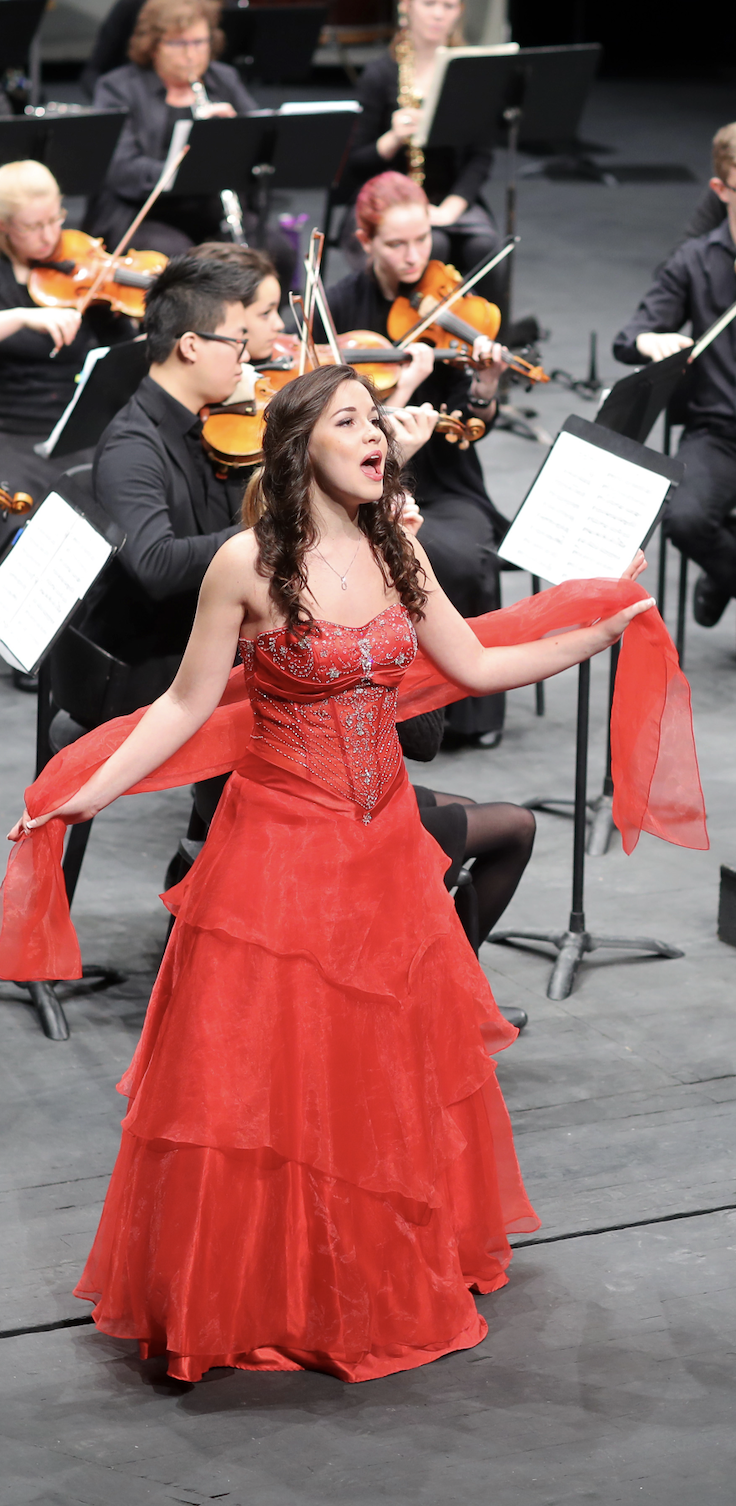
Why choose this program?
Whether you want to perform, compose, teach, or explore music in a broader way, you’ll find options to build your skills and shape your music degree around your interests.
At Dalhousie, you’ll learn through one-on-one lessons, ensembles, music theory, history, ear training, composition, and live performance. You’ll work closely with other music students and learn from faculty who are active performers, composers, and scholars.
Choose a Bachelor of Music for more focused study in Music, or a Bachelor of Arts in Music if you want to combine music with another area of interest.
With small classes, performance opportunities, and access to guest artists, you’ll have plenty of ways to grow as a musician and explore where your Music degree could take you.
"Our professors help guide us to more clearly express own unique artistic vision." – Shanti Sivarulrasa, Class of '26
Learn more about Dalhousie's Fountain School of Performing Arts
Careers
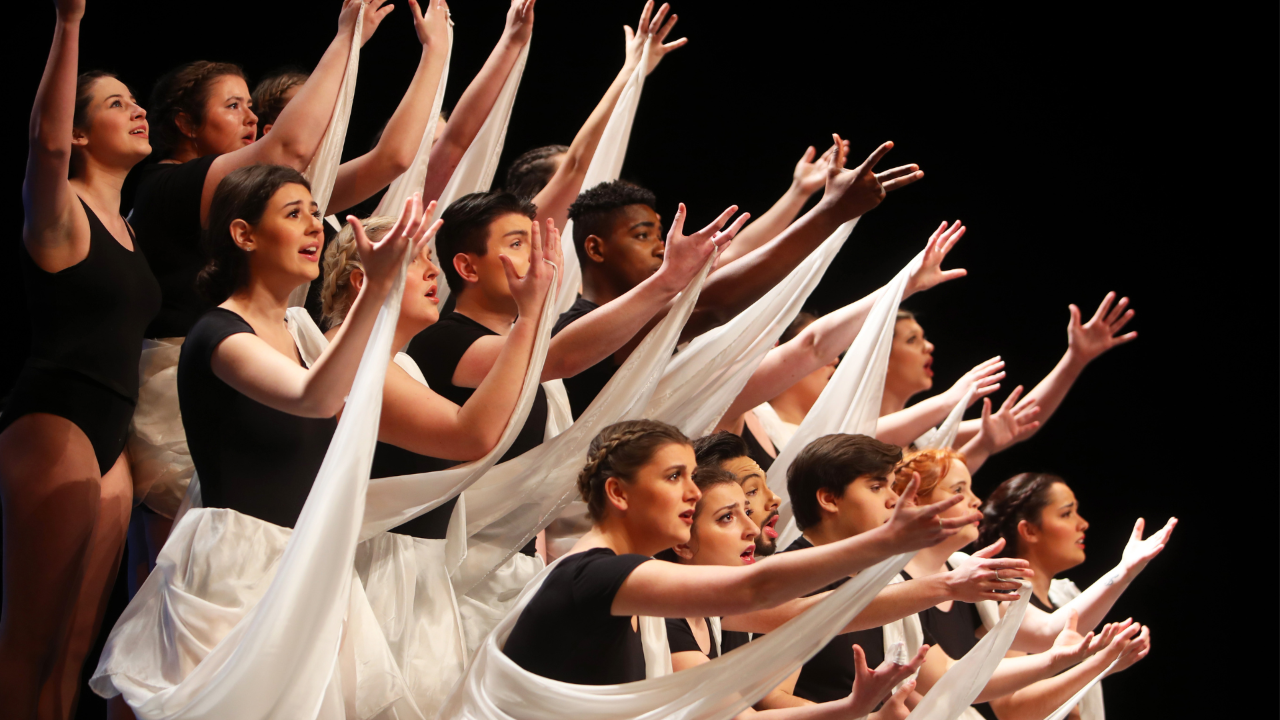
Music can lead in many directions. Graduates pursue careers in performance, composition, education, arts administration, music therapy and other creative fields.
You’ll develop skills in communication, creativity, collaboration, and leadership that can be valuable in music and beyond. Some graduates also continue their studies in music, education, conducting, composition, music therapy and related fields.
What you will learn
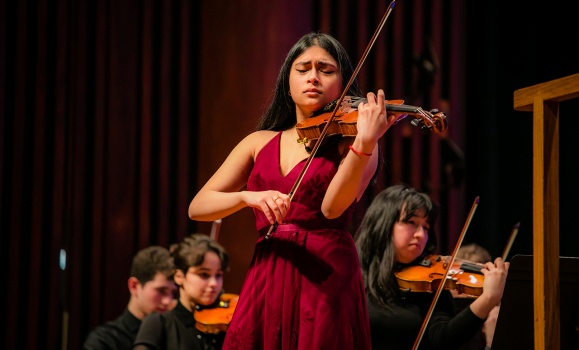
Build your musical skills through performance, theory, history, composition, and creative collaboration. You’ll develop your technique, musicianship, and confidence while exploring the areas of music that interest you most.
Sample courses
Writing about Performance
- Music Theory
- Writing About Music
History of Western Music
Music Theory
Musicianship: Skills for All Musicians
Form and Analysis: The Second Viennese School to the Present Day
History of Opera
Women, Gender and Music
Topics in Canadian Music
African American Music
Musician Studies
Performance opportunities
Perform throughout your degree in choirs, orchestras, bands, jazz ensembles, chamber groups, opera, and other ensembles. You’ll also have opportunities for public concerts, recitals, masterclasses, and workshops with visiting artists.
You’ll receive one-on-one instruction from faculty and, depending on your program, may have opportunities to take part in festivals, tours, and international exchanges.
Get paid work experience
Dal Arts students can apply for the FASS Work-Integrated Learning (WIL) Pilot Program, which offers a one-semester paid work term where you put what you learn in the classroom into practice, build career-ready skills, and gain experience in the workplace.
Learn beyond the classroom
Arts students can take their learning beyond the classroom through the Faculty of Arts and Social Sciences’ experiential learning program.
Participate in internships, community-based projects, research opportunities and career-focused experiences that help you apply what you learn, explore your interests and prepare for your future.
Customize your degree
Shape your Music degree around your interests
The BMus is a four-year degree that combines music study with courses outside of music. You'll build your skills through applied study, music theory, musicianship, history, ensembles and other music courses.
In your first two years, you'll build a strong foundation in music. As you progress through the program, you can continue in the BMus general degree or apply for a concentration in Composition, Musicology, Performance or Popular Musics.
- Bachelor of Music (BMus): Focus your studies on music, with opportunities to develop your skills in performance, composition, musicology, or popular musics.
- Bachelor of Arts (BA) in Music: Combine your Music studies with courses in other subjects. The BA gives you more flexibility to explore music alongside other areas of interest.
- BA/BSc Combined Honours: Combine Music with another Arts, Social Sciences or Science subject for a more focused interdisciplinary degree.
- BA/BSc Double Major: Build a degree around Music and another subject, allowing you to develop expertise in two areas.
- Music and other minor options: Add Music or another minor to complement your main program. Options include Music, Musicology, Popular Culture Studies and Medieval Studies.
- Performance
- Composition
- Voice (BA concentration)
- Composition (BA concentration)
- Music Theory
- Music History
- Conducting
- Fountain School Ensembles
- DalChorus
- DalJazz Ensemble
- DalContemporary Music Ensemble (pop & new music)
- DalSymphony Orchestra
- DalWind Ensemble
- DalOpera
- Concerto Night
- Campus music concerts
- Operatic production
- Private Lessons
- Guest Artists
- International Exchanges
- Scholarships, Prizes & Bursaries
Whether you aspire to perform, compose, teach, or continue your studies, you'll graduate with the artistic, technical, and professional skills to pursue a meaningful future in music.
Not sure what program is right for you?
Connect with an academic advisor who can help you explore your options and find a program that fits your interests and goals.
Admission requirements
Minimum admission requirements
To be considered for admission to this program, you must meet minimum academic criteria:
- Completion of secondary school (Grade 12)
- Achievement of the minimum average for your program of choice.
- Completion of Grade 12 English (or equivalent course).
Admission to many Dalhousie programs is competitive. This means that meeting minimum requirements does not guarantee admission.
Program-specific admission requirements
Minimum overall average: 70%
Academic English 12
Four additional academic subjects
Music audition
All applicants to the BMus must audition for Applied Study. Your audition assesses your musical skills and readiness for university-level music study.
- A prepared performance on your instrument or voice
- Music theory and aural skills assessments
- Keyboard skills assessment
- Sight-reading
Learn more about what to prepare for your audition, including audition requirements and repertoire.
If you want to begin studying composition in your first year, you do not need to audition on an instrument or voice. Instead, you'll submit a portfolio of your original compositions, along with a short essay and complete an interview with the Composition faculty.
Your portfolio should include:
- Scores and recordings of at least two original compositions, totalling 5–7 minutes
- At least one composition written in Western musical notation
- Short program notes (about 100 words) for your compositions
- A 300–500 word essay about your creative and career goals
If you want to study an instrument or voice in your first two years before moving into composition, you'll follow the regular instrumental or vocal audition process.