Fisheries Science (MFSc)
A 16-month course-based master’s building applied skills in fisheries science, stock assessment, governance, and communication.
Why choose this program?
The Master of Fisheries Science (MFSc) provides practical experience that develops your skills in fisheries biology, stock assessment, and data analysis. Through hands-on application, you’ll work through real-world challenges and build your professional network to grow your career as a fisheries scientist.
The Master of Fisheries Science (MFSc) is designed for those seeking applied, career-focused training in stock assessment and fisheries science. The program combines rigorous coursework in fisheries biology, population dynamics, stock assessment, statistics, and fisheries policy/management with hands-on data analysis and field-based learning.
Working with real fisheries datasets, you will be challenged to translate theory into applied assessments and management advice. Through lectures and summer field courses, you'll engage with practitioners from government, industry, and non-governmental organizations.
Small cohorts foster individualized mentorship and collaborative learning, and applied assignments will emphasize practical problem-solving and decision support. As a graduate, you will leave with the technical skills, professional networks, and interdisciplinary perspective needed to contribute effectively to sustainable fisheries management and aquatic resource decision-making.
Careers
This program emphasizes career readiness through applied analytical skills, professional networking, and experience with real-world fisheries decision-making.
Graduates work across fisheries science and management in federal and provincial governments, Indigenous organizations, consulting firms, NGOs, and industry. Roles span stock assessment, data science, applied research, resource management, and policy analysis to support sustainable fisheries and aquatic resources.
Program options
The MFSc follows a structured, applied, course-based approach to learning. Course work, weekly seminars, field courses, and a capstone project are developed to incrementally progress your critical thinking and analytical skills.
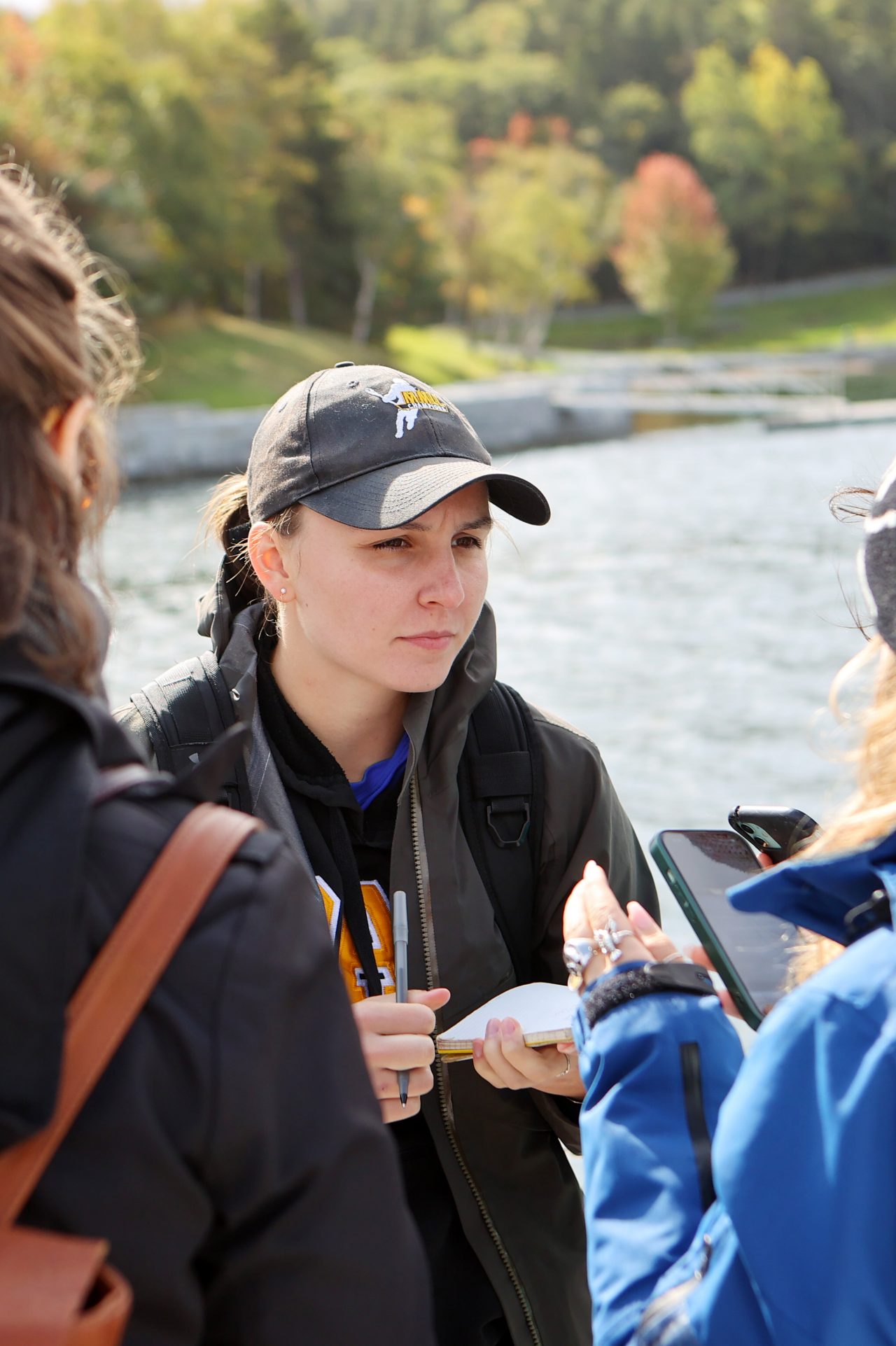
This is a full-time, in-person, professional, course-based program designed to build strong, applied skills in fisheries science. The program is designed to be immersive, practical, and closely connected to real-world fisheries challenges and career pathways. A major strength of the program is its hands-on, experiential focus, including:
- A 5-day field course at the Huntsman Marine Science Centre
- A 3-day field experience in Cape Breton
- Direct interaction with industry professionals, government scientists, academic experts, and mangers
All graduate programs at Dalhousie are collaboratively delivered by a home Faculty and the Faculty of Graduate Studies.
Admission Requirements
You'll need to meet the Faculty of Graduate Studies minimum requirements as well as any program-specific admission requirements before you can apply.
Program-specific requirements
This program requires you to meet the following criteria:
- A Bachelor of Science degree with specializations in marine science or wildlife (biology, marine biology, oceanography), mathematics, or statistics is required, or a combination of education and relevant work experience.
- The applicant's undergraduate transcript must show a minimum B average (3.0 GPA) for the last 60 credit hours (2 years) of study.
For more information about English language proficiency tests and requirements, please visit the Faculty of Graduate Studies English language proficiency requirements.
Outline in chronological order, academic achievements, employment experiences, volunteer involvements, research projects, and any other additional information that you would like to include.
Additional activities/information may include extracurricular activities or interests, workshops, seminars, conferences, certificates, and other educational experiences (field work, placements, co-ops, work terms, etc.).
Demonstrate a commitment and passion for fisheries science or data analytics through employment or experience in field schools, research programs, the fishing industry, regulatory agencies or government departments, non-governmental organizations, consulting activities, or other relevant activities in 500 words or less.
A letter of motivation should include information on your academic ambitions, interests, and career goals. It will be a key component to assess your potential to undertake studies and write at the graduate level.
Two academic references who can speak to your academic achievements, scholarly promise, independent research capability, creativity, skills, or any other qualities useful in the pursuit of a master’s degree. These may be academic or professional references, but not family or friends.