

Starting university can mean a lot of firsts: new places, new classrooms and new expectations for learning.
This year, Dalhousie is putting more focus on helping students prepare for those changes through Academic Orientation Day on Monday (Sept. 7), part of broader Orientation Week (O-Week) activities.
The full day of activities includes University 101 sessions, faculty and building tours, study skills and writing supports, and student leadership workshops. This year’s offerings expand on past opportunities, aiming to better equip students as they prepare for the academic side of their experience at Dal.

Students will have a chance to learn what to expect in a university classroom, explore the spaces where they will spend their first year, learn about academic supports and build practical skills before classes begin.
Getting ready for university learning
The initiative brings together academic success teams, including academic advisors, writing and study skills advisors, and the Student Leadership Academy. Academic advisors will lead University 101 sessions, while other offerings will cover learning strategies, writing, and communication topics such as public speaking and digital communication.
“The sessions are meant to help students focus on their strengths and how they can build on those strengths at university,” says Janice Eddington, associate director of student academic success.

She says students can expect to learn what will be different about university and the habits and supports that can help them succeed. That includes empowering them with strategies to independently manage their time, encouraging them to communicate with their instructors, and helping them to take advantage of university student support systems, now and throughout their degree.
“What I think this day does really well is normalize the adjustment from the beginning. So, recognizing that you may need to change how you study and how you will have to reach out for help. It's not a sign that you're doing something wrong. It's part of learning how to be a university student on campus,” says Killeen.
Getting to know campus
Academic preparation also means getting comfortable with the campus.
This year, the campus tours have been expanded and are more focused on students’ faculties and first-year experiences.
“Many students worry about navigating unfamiliar buildings, finding their classrooms on time, or knowing where to go for support, so providing opportunities to explore campus in advance helps build confidence and reduces a lot of that uncertainty,” says Joy Baillie-Brunt, manager of future student events and engagement.
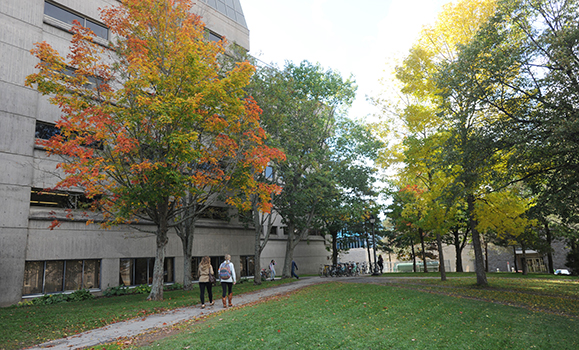
The tours are led by upper-year student ambassadors from the same faculty or program area, who take students through the buildings, lecture halls and other spaces they are likely to use during their first year.
Even small things, like knowing where their classes are or recognizing a few friendly faces on campus, can help students feel that they belong here from day one.
“A strong sense of belonging early on can have a significant impact on a student's confidence and overall transition to university,” Baillie-Brunt says. “Even small things, like knowing where their classes are or recognizing a few friendly faces on campus, can help students feel that they belong here from day one.”
 The day also gives students an early introduction to the support services available across campus including academic advising, accessibility services, health and wellness supports, libraries and study spaces.
The programming was developed collaboratively, with academic advisors and other campus partners bringing their expertise and knowledge of the questions students ask. For Killeen, the goal is to make the transition to university feel more manageable by helping students know where to turn before classes begin.
“We are really focusing on academic success, but it's really that comfort or confidence in asking for help. Knowing where those resources are and believing that students belong in a university environment,” he says.