

A two-student team from Dalhousie’s Schulich School of Law returned from Toronto earlier this month as major winners in the Julius Alexander Isaac Moot.
The prestigious national competition — held this year from Jan. 30-Feb.1 — draws competitors from across Canada to argue issues related to law, equity, and racism in the justice system.
This year's moot was based on R. v. Murray, where Justice F. Mirza concluded that police had engaged in racist mistreatment of a driver during a traffic stop.
Andrew Dogurga and Jazmyne McLaughlin successfully argued for the respondent side, defeating the University of Toronto in the final round at the Ontario Court of Appeal. Both students were nominated for Top Advocate, with Andrew taking home the Top Oralist prize.
The appellant team of Joshua Langston and Philip Biyi Taiwo also had a strong showing and were nominated for the Top Advocate and Spirit of the Moot awards, respectively.
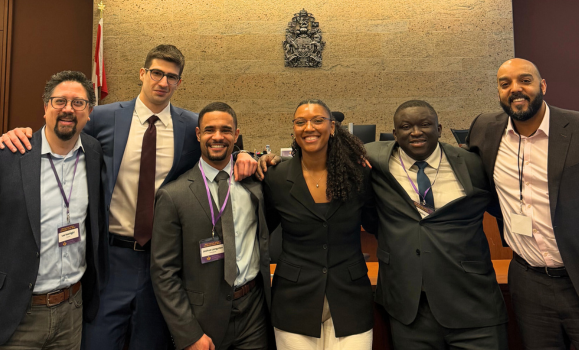
From left: Coach Lee Seshagiri, Andrew Dogurga, Joshua Langston, Jazmyne McLaughlin, Philip Biyi Taiwo, and Coach Brandon Rolle.
The Isaac Moot — named after Julius Alexander Isaac, the first Black judge to sit on the Federal Court of Canada — was established by the Black Law Students’ Association of Canada and often incorporates elements of Critical Race Theory (CRT) into the problem.
“It was a real pleasure to work with this group of incredibly talented and insightful future lawyers,” said coaches Brandon Rolle (JD ’09) and Lee Seshagiri (LLB ’06), lawyers from Nova Scotia Legal Aid.
“The students worked as a team and showed impressive improvement from practice rounds to the final competition. Philip and Joshua made the most of an incredibly challenging Crown argument, while Andrew and Jazmyne connected with the judges through evocative, articulate, and effective oral submissions. We are thrilled with their performances.”
The students took some time to reflect on the moot experience and what it meant to them.
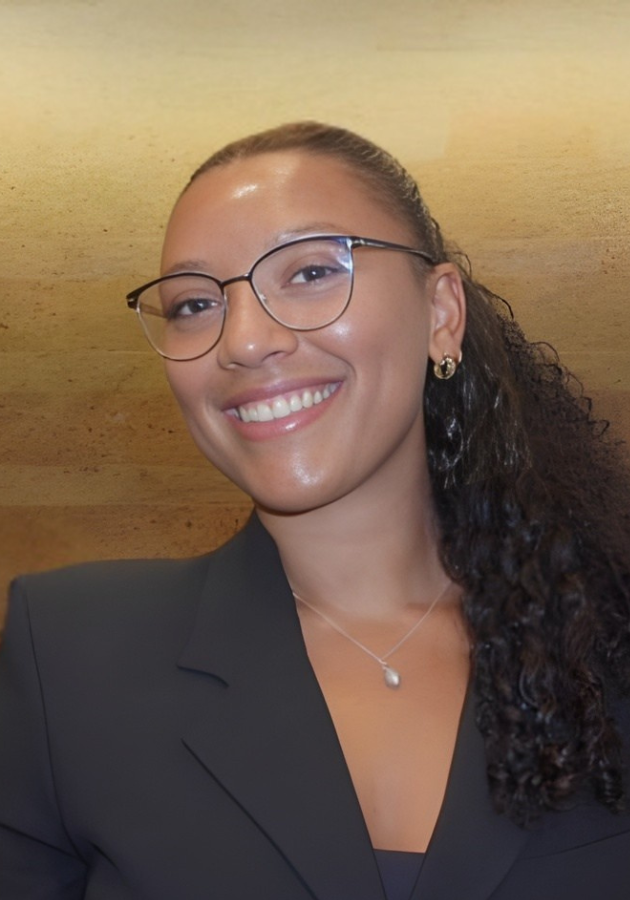 |
Jazmyne McLaughlin: “Participating in the Isaac Moot affirmed that these are the spaces where I need to be. Arguing Mr. Murray’s case required confronting how criminal law operates not just in theory, but in the lives of Black Canadians most affected by State power. This experience pushed me to think more critically about the role of advocacy and reinforced my commitment to using litigation to challenge the structural foundations of the law.” |
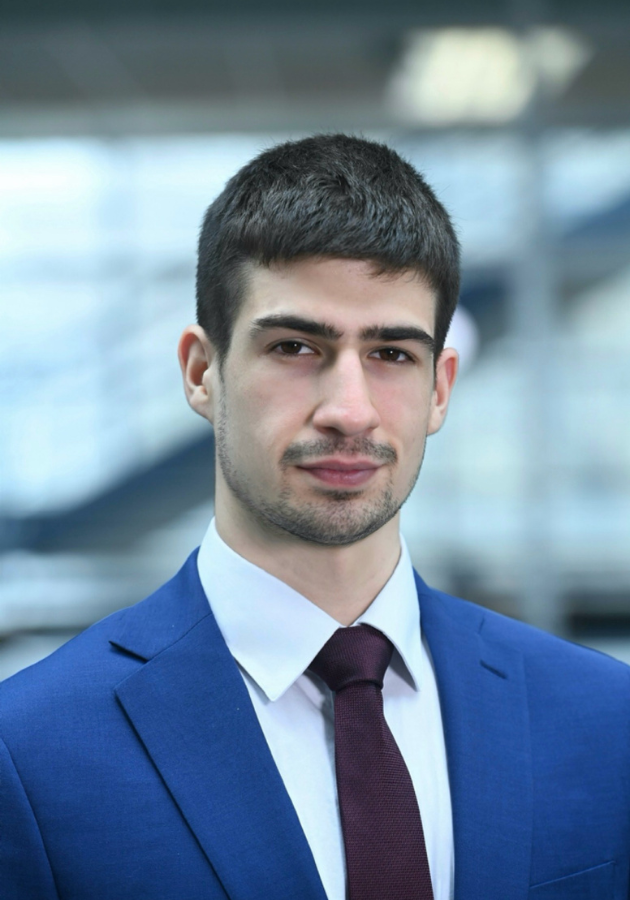 |
Andrew Dogurga: "It was a privilege to compete in the Julius Alexander Isaac Moot alongside an incredible team with the guidance of exceptional coaches whose mentorship made this experience truly meaningful.”
|
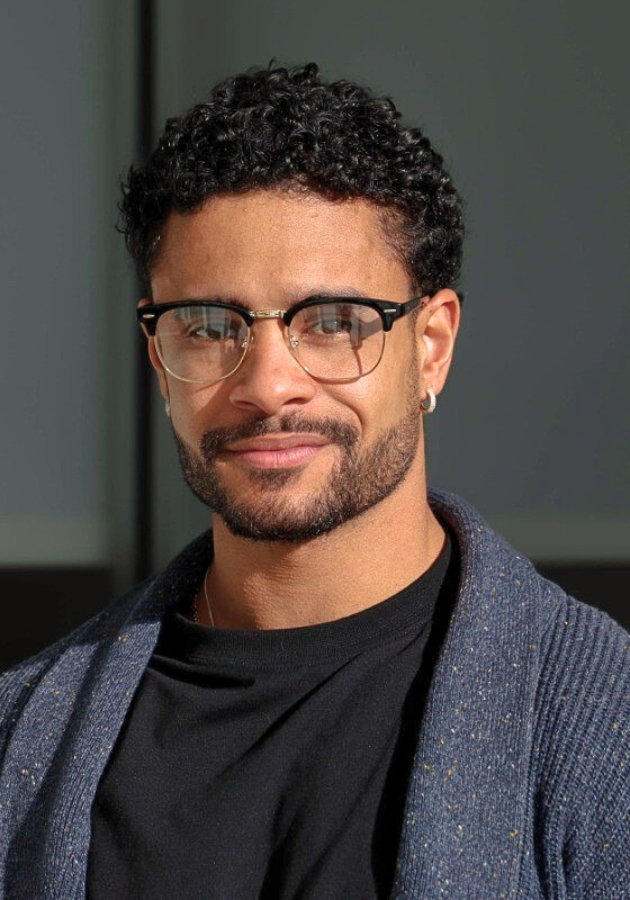 |
Joshua Langston: “Participating in the Isaac Moot was a weekend I will not forget. Arguing the appellant position was challenging – it required significant creativity and engagement with criminal procedure and its intersection with Critical Race Theory. I am very grateful for the opportunity to push myself and to engage in such valuable experiential learning. Our coaches went above and beyond. I am incredibly appreciative of their efforts, as well as those of my fantastic teammates.” |
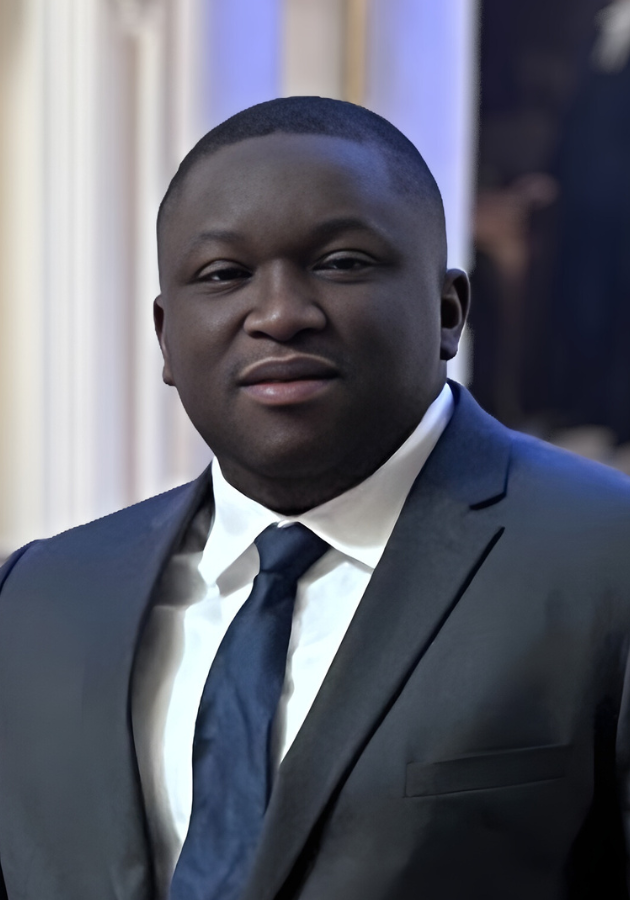 |
Philip Biyi Taiwo: “The Isaac Moot was a phenomenal experience. It is certainly a highlight of my time in law school and I’m so thankful to our coaches for including me on this team of amazing people. We developed an incredible bond and supported each other to success. The moot brought to life the reality of anti-Black racism in policing in a way that I had never seen before and it validated my capacity to be myself and still be excellent as a future litigator. Stupendous!” |