
Charlotte Burke (BA'21)

Charlotte Burke (BA'21) works in the Finance and Risk Management Industry

Charlotte with her pup, Poppy
Charlotte Burke graduated from Dalhousie in 2021 with a Bachelor of Arts with Major in Law, Justice and Society and Minor in Political Science. Her current role is Manager, Anti-Money Laundering, at RBC in Bedford, Nova Scotia, working in the Finance and Risk Management Industry.
We asked Charlotte to share some memories from her time as a Dal student, how her Arts and Social Sciences degree has helped her on her professional journey so far, and what advice she has for students.
In what way did your program help position you for and/or set you on your career path?
My program strengthened my critical thinking and time management skills - key elements for success in most careers. Combined with coursework focused on criminology, sociology, and political science, it positioned me with a unique skillset for financial crimes and risk management. This distinctive background in writing and analytical skills has allowed me to stand out in my field.
If you could give one piece of advice to an incoming first-year student, what would it be?
Be kind to yourself and don't forget to try new things that challenge you. First-year university is typically daunting, overwhelming, and exciting! You grow the most when you step outside your comfort zone.
In your opinion – why should students study in the Arts and Social Sciences?
Arts and Social Sciences is a critical element of business, despite what many might think. I work in a regulatory environment where many colleagues have graduated from Arts and Social Sciences programs, allowing them to develop diverse perspectives in life and business. Students often underestimate the versatility of an Arts and Social Sciences education, and it's a great foundation for many future pathways.
How did being in Halifax influence your university experience?
Growing up in Halifax, attending Dalhousie allowed me to remain close to my parents, who strongly supported my pursuing an education different from their own business backgrounds. Their support kept me grounded while I pursued opportunities like working at RBC and juggling school, which enabled me to grow as a young professional and develop a strong personal brand.
What do you wish you had known earlier during your years in university that you know now?
Don't be afraid to put yourself out there and participate in activities that may not typically align with an Arts and Social Sciences degree. Attend networking nights, sign up for business case competitions, and join clubs. Building a network of like-minded peers is a great way to establish future connections and make meaningful friendships you might not have otherwise met.
Was there a specific course or professor that had a lasting impact on you and/or your career?
POLI 3378 – American Politics: Polarization and Crisis, taught by Professor Robert Finbow. The seminar-based format pushed me to truly master the content so I could teach it to my peers, and it provided a great opportunity to learn the complexities of the American political system, particularly while navigating a remote teaching environment.
Is there anything else you’d like to share about the value of an Arts degree?
Arts degrees provide a globalized perspective and develop diverse skillsets that you may not cultivate in science or business programs. While all educational programs are important, Arts degrees often unfairly gain a reputation for being less useful than others—a perception I strongly disagree with. Arts degrees, paired with intentional networking and relationship-building, are incredibly valuable for charting your professional path. They provide students with meaningful opportunities to support and contribute to the arts and social sciences community, which works in tandem with the business and sciences sectors to create a well-rounded, innovative workforce.
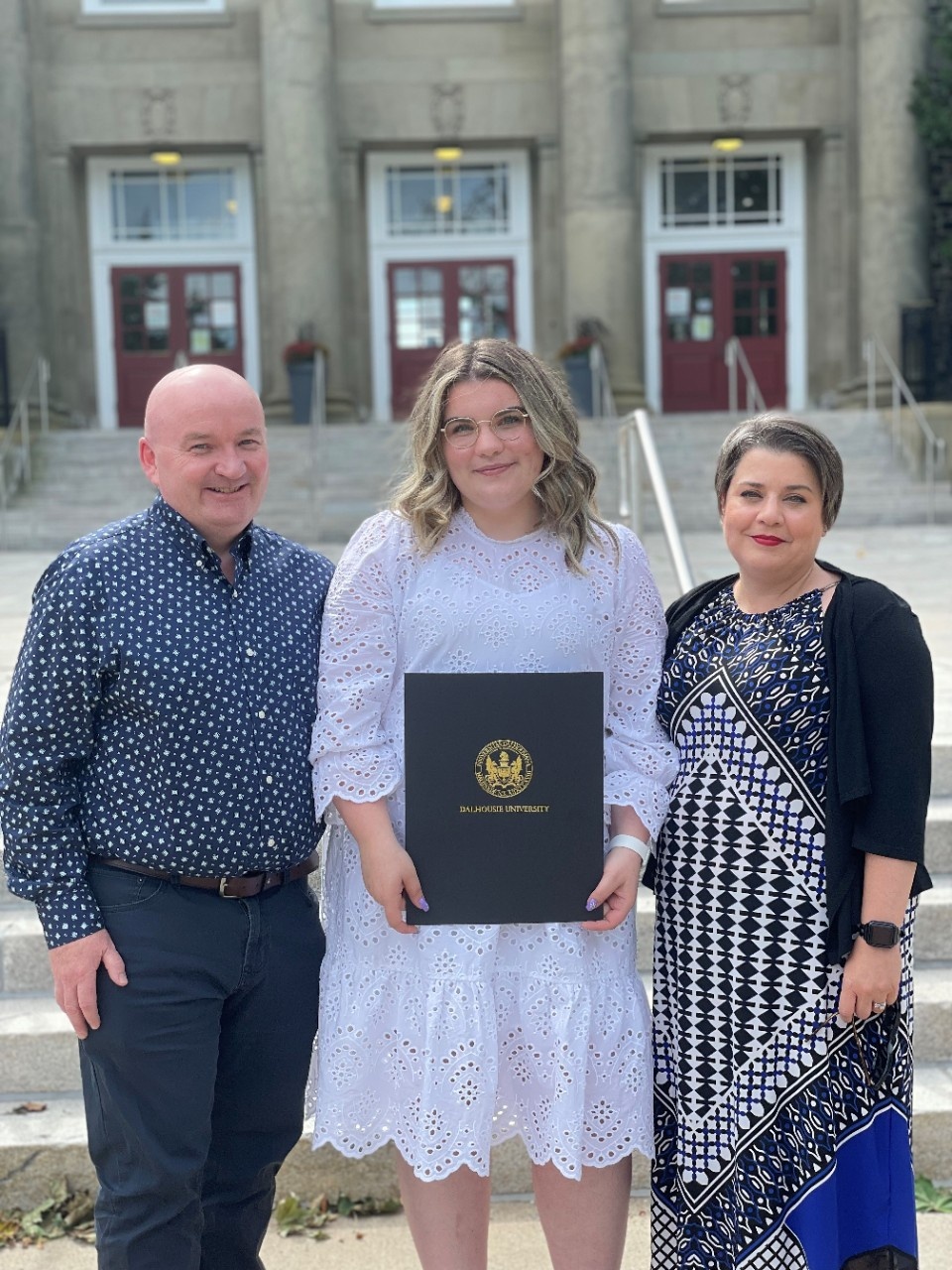
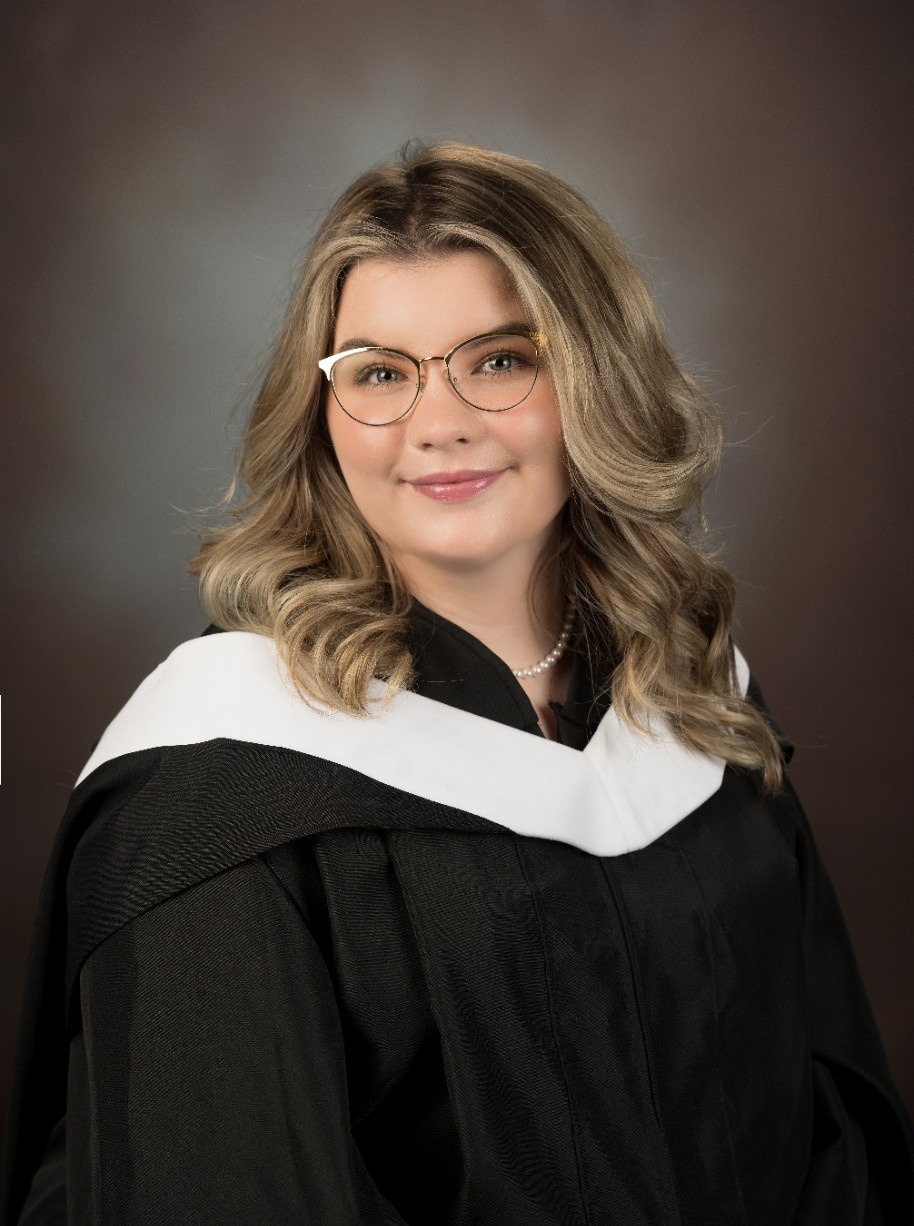
Charlotte graduated in 2021 with a Bachelor of Arts with Major in Law, Justice and Society and Minor in Political Science.