
DAL MAGAZINE
By: Alison DeLory
For more than 40 years, Dal’s campus and community radio station CKDU has been attracting listeners with its mix of live and pre-recorded shows.
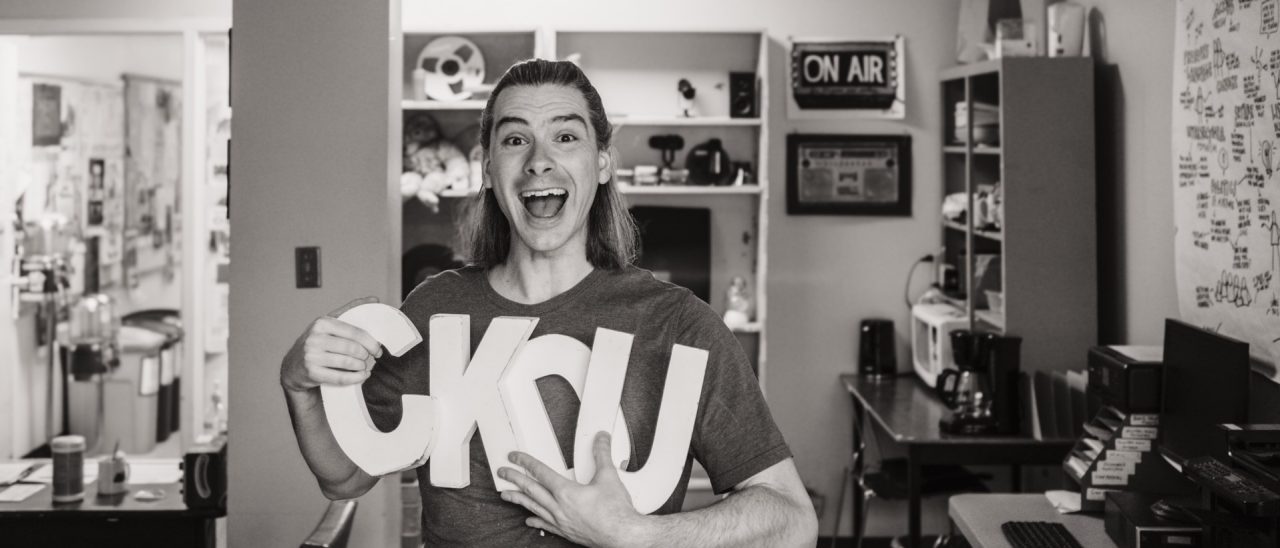
“We are cheerleaders for excited, enthusiastic, passionate people with or without previous radio experience,” says CKDU’s Programming Director Kheaven Brasier (pictured above).
CKDU’s mandate is to provide an alternative to private and public broadcasters, and to be a forum for diverse and under-represented voices, music and news. It broadcasts to an 80-kilometre radius from Dal’s Student Union Building using a transmitter it shares with CBC. Today, the station has more than 65 live shows. “For them (unpaid hosts) to want to continue to volunteer their time is incredible.”
Amongst the better-known CKDU alumni, guitarist Jay Ferguson (BA’89) of the band Sloan produced and hosted a music program there in the 1980s, and Nobu Adilman (BA’95) who founded the singing sensation Choir! Choir! Choir! worked there in the 1990s. Rich Terfry, also known as hip-hop artist Buck 65, who today hosts CBC Radio Two’s national Drive program, also spent 12 years volunteering at CKDU.
Brasier calls CKDU a “station of discovery” that sometimes devotes an entire day’s programming to a single important issue, such as homelessness or Palestinian displacement.
CKDU programming is nothing if not eclectic. On The Morning Show they host, Brasier features music from the 60s and 70s, soul, R&B and Jamaican rocksteady (the national rhythm that preceded reggae from 1966 to 1968).
For a lot of Dal alumni, Brasier says, CKDU “is where the freaks and geeks and outsiders could hang out, meet their people, host events, make an impact in their communities and be leaders.” And now, CKDU is at an age where the children of Dal alumni who were involved with the station are stepping forward to explore it.
We exist so local voices — student voices — get on the air.
— Kheaven Brasier.
Enter podcasting
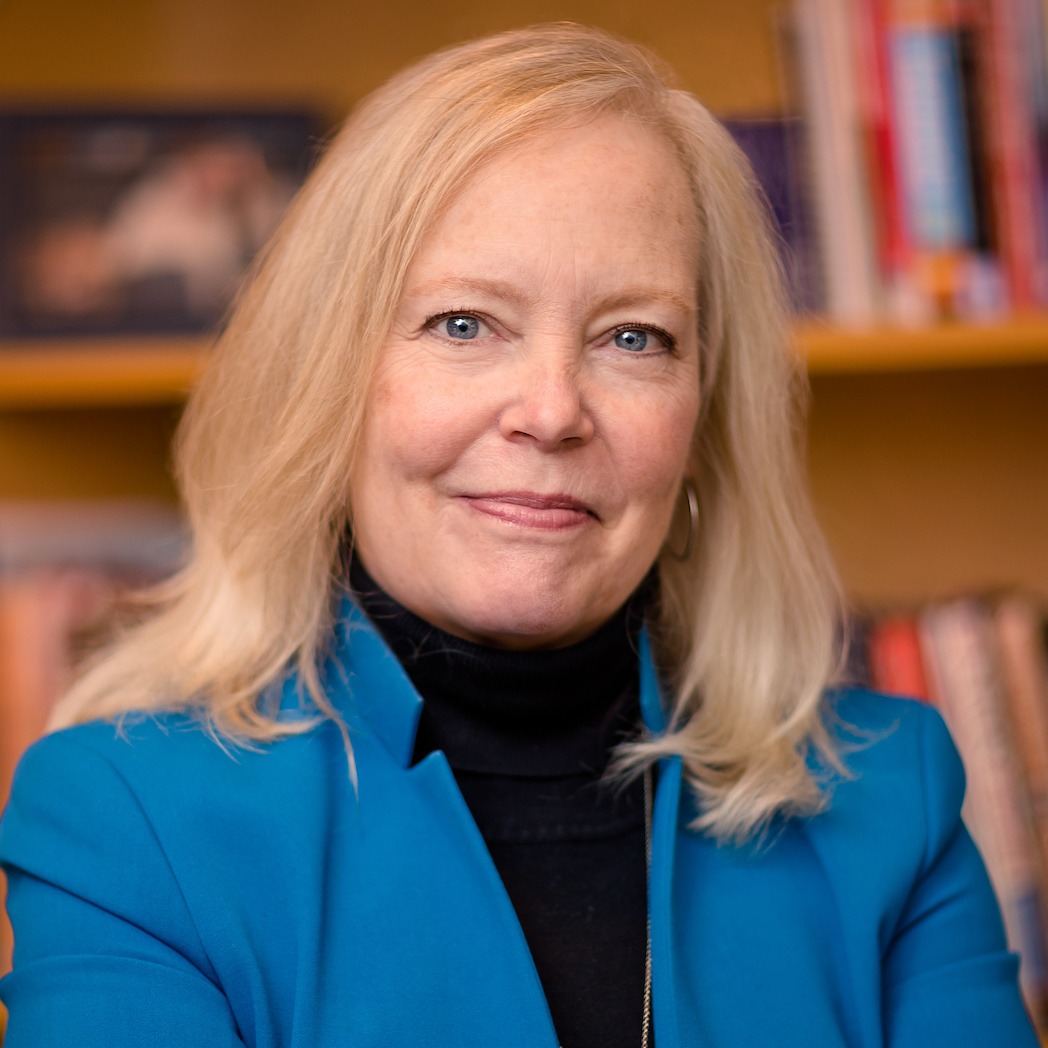
Like Brasier, Pauline Dakin (pictured below) is a fan of radio who has worked in it for most of her career. She joined CBC in 1993 and became a member of its national news team in 2000. She also worked on documentary and current affairs shows made for Atlantic Canada.
In 2022, Dakin’s own best-selling memoir, Run, Hide, Repeat, was adapted by CBC Podcasts. It was the number one podcast in Canada for several weeks after its launch, downloaded more than a million times and named a top podcast of 2022 by Amazon. In 2023, Dakin won a prestigious New York Festivals award in podcasting.
Know your purpose
She tells her students that in a noisy space — there are an estimated five million podcasts worldwide — they have about 10 seconds to convince people to stay tuned in.
Know your purpose. If it’s to reach a wider world, you need to frame it, have a sound designer, and be a good interviewer. — Pauline Dakin
Dakin also says it’s important to be clear on why you want a podcast. If that’s to make money, she cautions, the odds are against you. Few podcasts are monetized successfully, and those that are need to incorporate advertising; a good host needs to know how to include ad bits seamlessly. Branded podcasts are also a now a trend, says Dakin, with corporate entities finding a soft, relatable way to push their brand.
“Lots of celebrities are launching podcasts with success,” says Dakin, “but for most non-celebrities you need to be creative, distinct in format and to hook the audience in the very beginning.” Professionalizing a podcast, Dakin says, is the hard part after launching.
Pedagogical podcasting
Another trend in podcasting, says Dakin, is community building rather than professional storytelling. “This does serve education and will continue to do so increasingly. . . We see that there’s room and interest in incorporating podcasts into the pedagogy and also just making the knowledge held within a university more available to the wider public.”
“A great example of a successful Dal podcast is Sciographies,” says Dakin. “Sharing knowledge translation with a wider community is important.”
Dr. David Barclay, associate professor in Dal’s Department of Oceanography, has been hosting Sciographies since its 2018 launch. Now Dal’s longest-running podcast in its seventh season, each episode explores events in the guest’s life that led to a career in science, while also exploring their research.
Dr. Barclay is a physicist who studies underwater sounds and who is also a part-time musician. He’s hosted radio shows since high school and was approached by a staff member in the Faculty of Science to host Sciographies — something he calls “a radio show that’s also a podcast.” It airs on CKDU and streams online.
Low barriers to entry
“I find it interesting and rewarding,” says Dr. Barclay. “It’s extremely efficient.” He says he spends about two hours recording an episode, which can be edited down to approximately 30 minutes. “It’s unlike anything else I do on my job, like supervising a PhD student, which can take five to 10 years.”
Dr. Barclay also brings scientific process to the production. He compares it to the Keeling Curve, an iconic graph showing the continuous, steady rise in atmospheric carbon dioxide levels as measured at Hawaii's Mauna Loa Observatory since 1958, which reveals humanity's impact on climate change. Likewise, Sciographies, he says, is a simple task, repeated, to create a collection. “The collection is the data set. It’s not arduous from the time-cost perspective. And it’s in line with my personality of sticking with something.”
Dr. Barclay says it’s the relationships he’s formed through Sciographies that he values the most. He’s found collaborators and soccer pals through Sciographies, and says he is most proud of the live interview he did with astronaut and Dal notable alum Dr. Kathryn Sullivan.
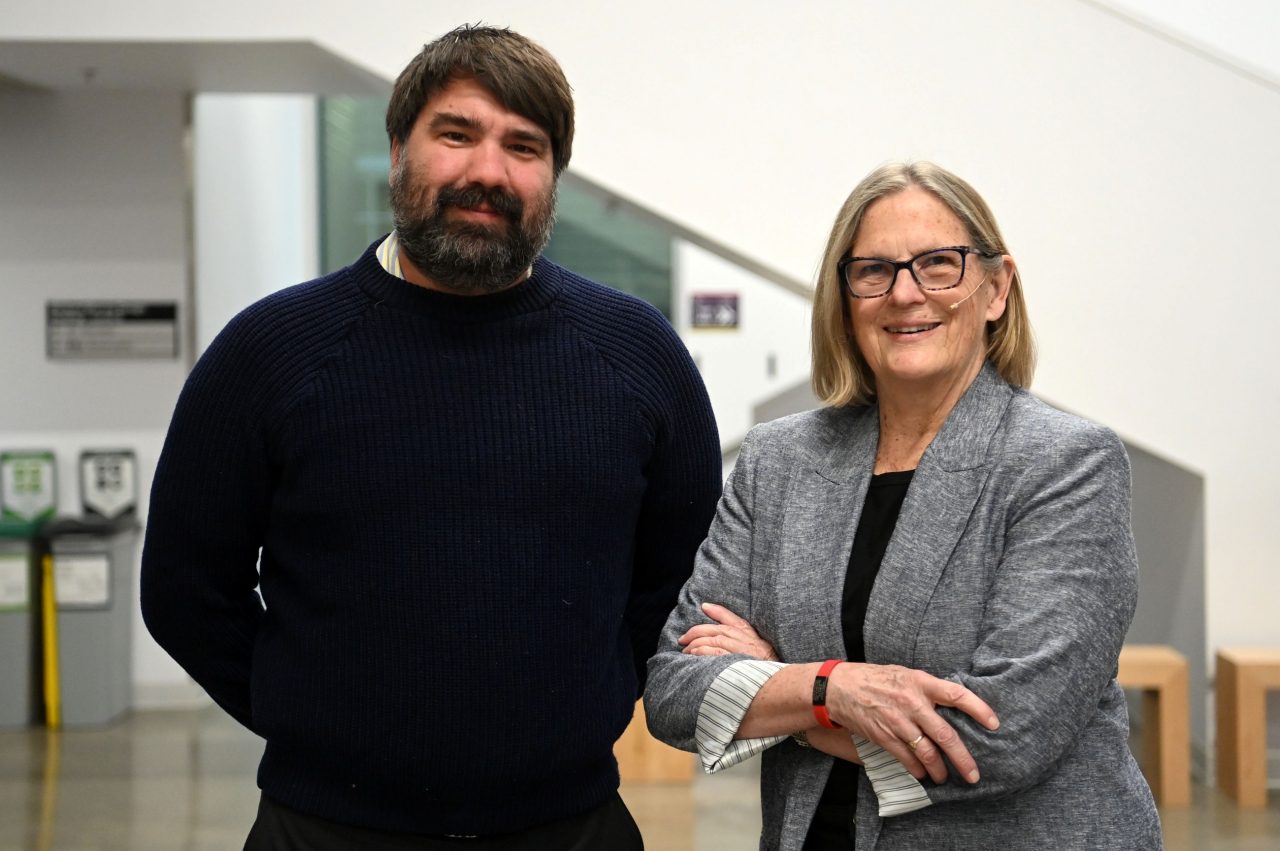 Associate Professor David Barclay with Dr. Kathryn Sullivan (PhD'78) at the New Space Age lecture and discussion panel.
Sciographies advances the university, Dr. Barclay says. He references an episode in season seven in which he interviews John Batt who manages Dal’s Aquatron, Canada’s largest university aquatic research facility. With the recent opening of the Beaty Centre for Marine Biodiversity at Dal, Drs. Barclay and Batt were able to have a rich discussion about the ways Dal is advancing understanding and protecting of marine biodiversity, and further the goal of making that accessible for everyone. It is that opening up of the university to outside interests that excites Dr. Barclay perhaps the most. In the end, Dr. Barclay says, Sciographies is the making the university’s collective expertise freely available to anyone who’s interested — and that is podcasting’s most valuable asset.
As radio and podcasting continue to evolve, Dal’s storytellers remain at the heart of it all — experimenting, connecting, and amplifying voices that deserve to be heard. Their work ensures that the university’s curiosity, creativity, and expertise keep resonating far beyond campuses, shaping conversations in the wider world.
Dal’s radio station
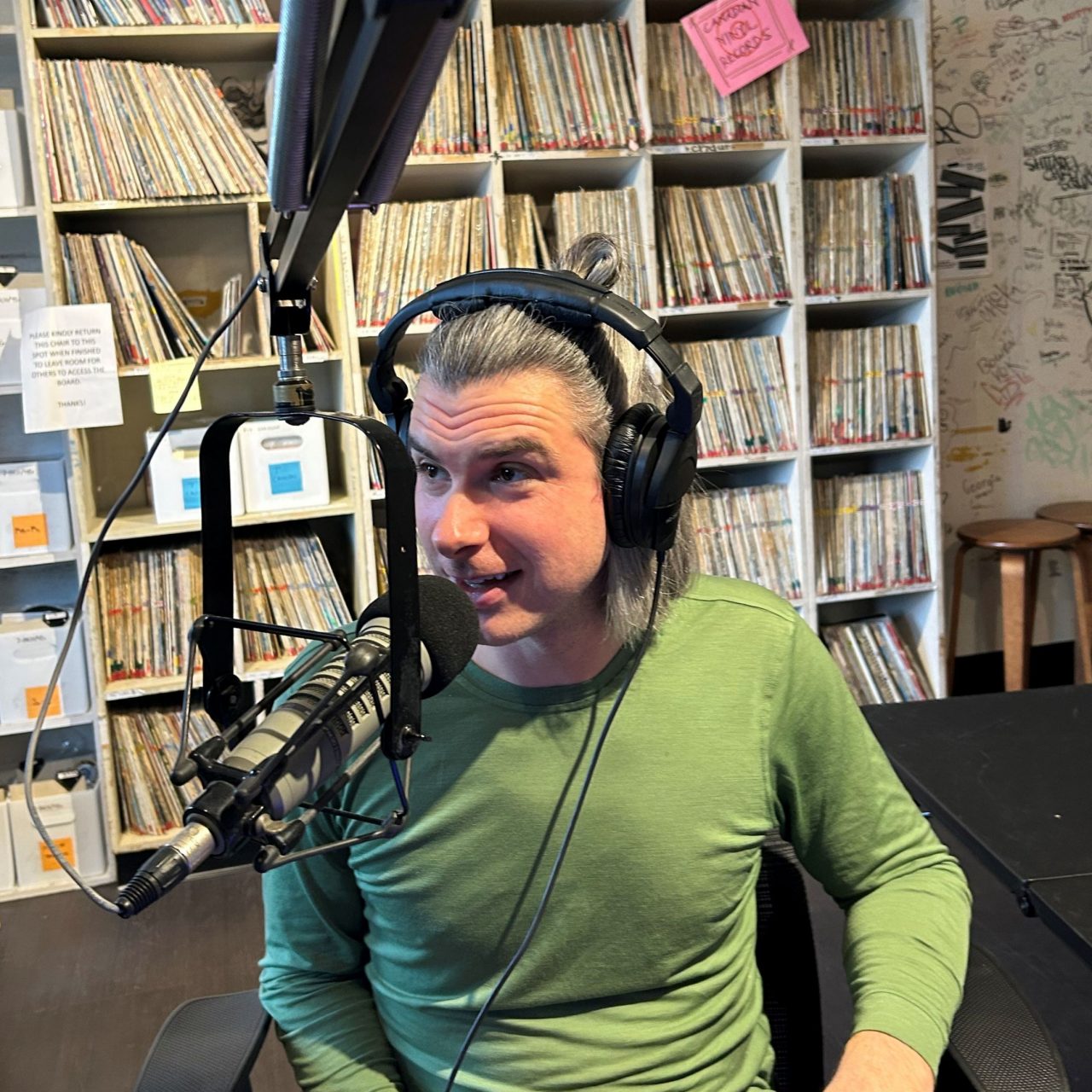
Dal podcasts
Below is a sample of the eclectic range of podcasts being created by Dal faculty, alumni and students. Explore the list to discover those that match your interests.
Podcasts hosted by faculties/faculty members



Podcasts involving alumni
Podcasts regularly featuring Dalhousie representatives
Podcasts created by students
Get in touch
Share your feedback on this issue! We'd also love to hear what you would like to see next.
Read more from the Spring 2026 issue


Editor
Alison DeLory
Editorial Committe
Alison DeLory
Allison Langille
Matt Reeder
Andrew Riley
Emma Sutro
Mail
Dalhousie University
PO BOX 15000
Halifax, Nova Scotia
B3H 4R2