
Summer 2023 Community Feature
North American Indigenous Games (NAIG)
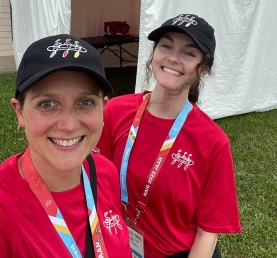
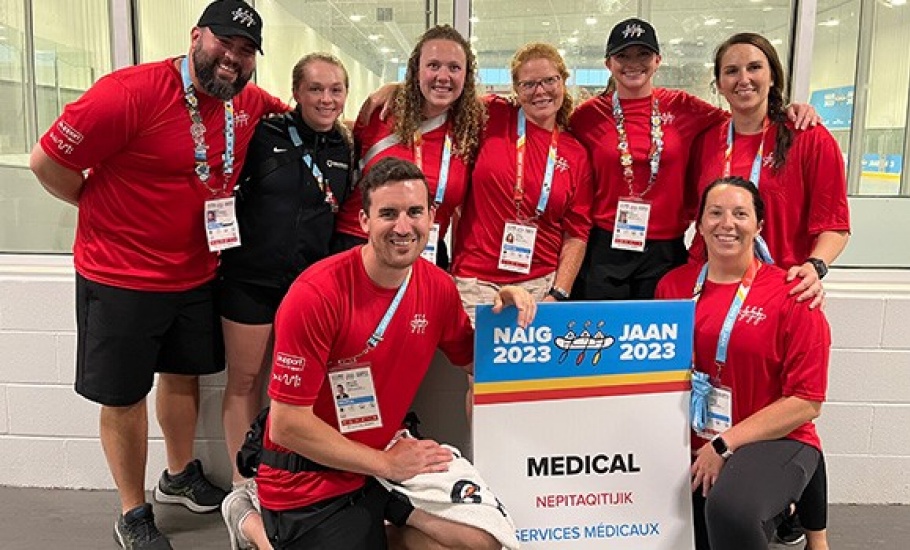
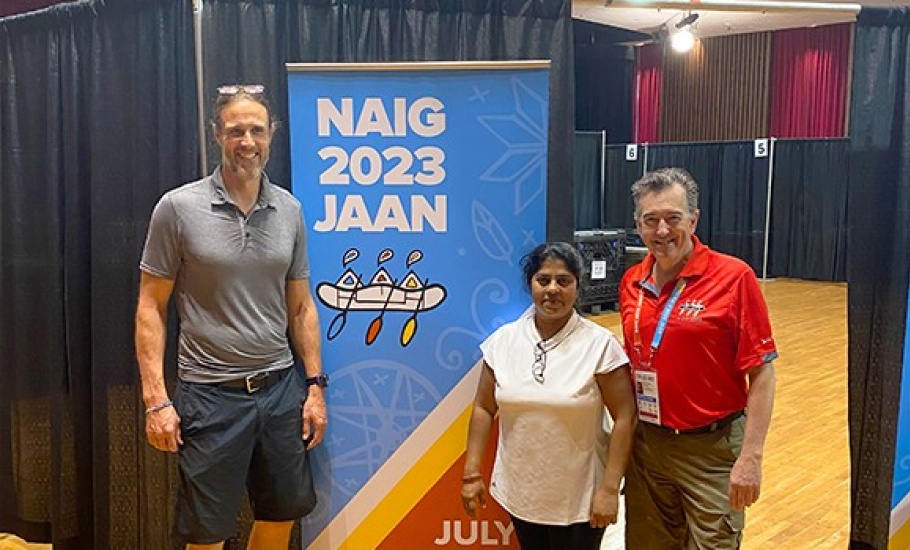
MScPT student, Lindsay French pictured with her preceptor, Julie Woodroffe.
"Volunteering as part of the medical team during the North American Indigenous games was an invaluable experience. Not only was I given the opportunity to learn and provide sport coverage and support for athletes, but I was also able to meet all kinds of wonderful and inspiring volunteers and athletes who all have one thing in common - a love for sport and pride in their culture. NAIG was such a positive, immersive experience filled with lots of opportunities to learn about indigenous culture and sport - I was glad to have a hand in helping the athletes compete to the best of their ability!" ~Lindsay French
North American Indigenous Games (NAIG) held in Kjipuktuk (Halifax)
By Erin Samchyk, School Instructor
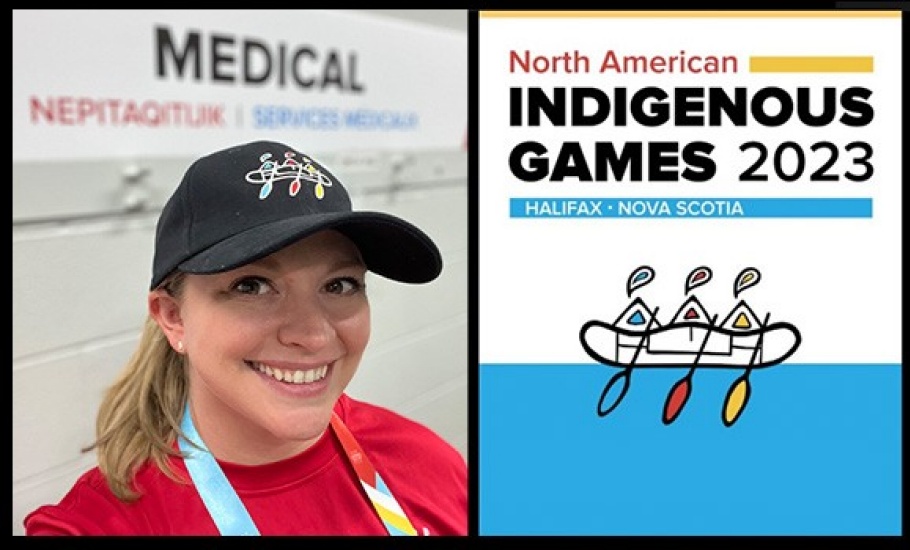
This past July I was fortunate to have the incredible opportunity to volunteer as a member of the Medical Team at the North American Indigenous Games (NAIG) held in Kjipuktuk (Halifax), NS. These multi-sport games welcomed over 5000 Indigenous youth from 756 Indigenous Nations across North America who were competing in 16 different sports (including 3 traditional sports) at 22 different venues in and around Halifax.
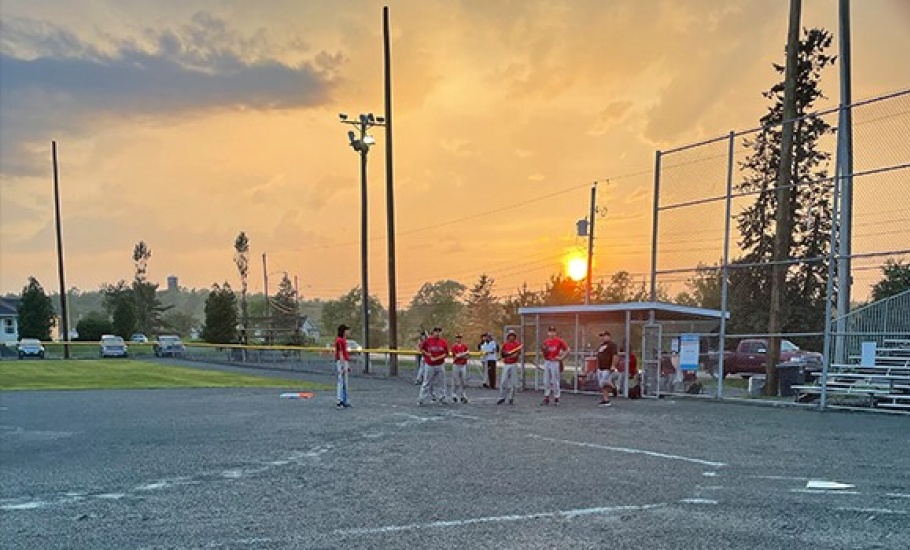
As a medical volunteer with a Sport Physiotherapy Certificate, I worked primarily at the venues to help assess and manage acute injuries experienced by the athletes. During these Games I had the opportunity to cover basketball, lacrosse, softball, and soccer, alongside a variety of talented multi-disciplinary practitioners at each venue.
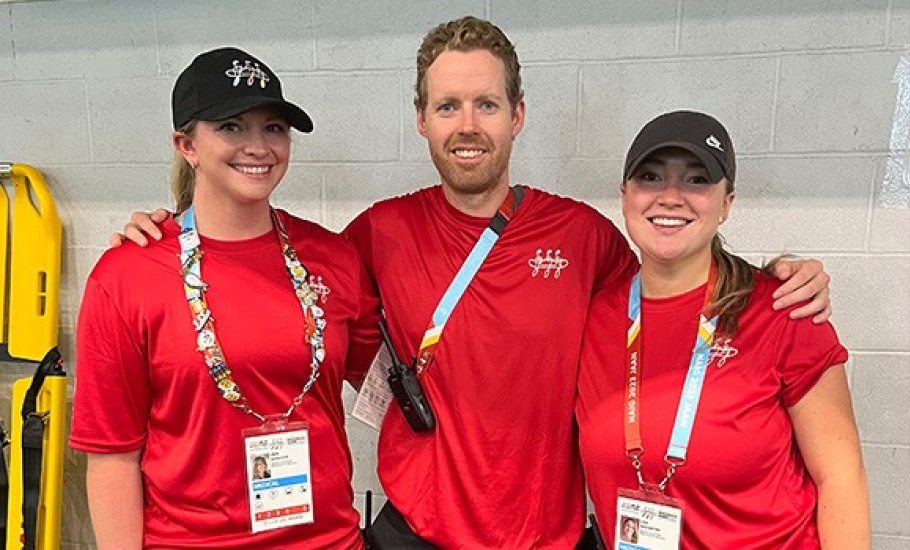
One of my favourite things about a multi-sport Games like NAIG is the inter-professional collaboration that comes with the opportunity to meet, work together with, and learn from so many different heath care practitioners from across Canada. Our large interdisciplinary medical team consisted of physiotherapists, athletic therapists, chiropractors, massage therapists, doctors, nurses, and more, who all came together to volunteer their time and expertise to help support the athletes throughout the Games. Hosting NAIG in Halifax was particularly special with the chance to work with a number of Dal PT Alumni returning from across Canada, as well as the chance to work with with many of our current Dal PT students. It was great to see our students embracing this amazing experience to learn from so many different people and watching them put their skills into practice.
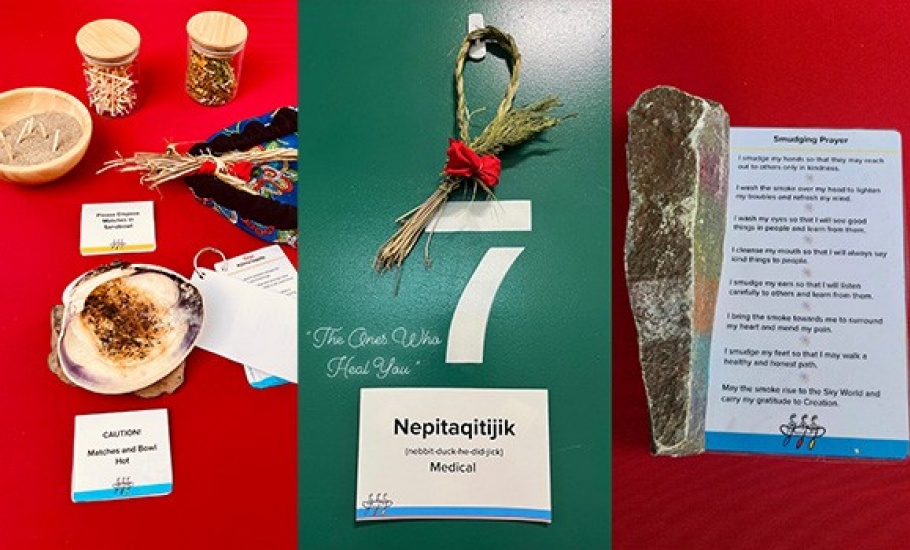
What really made these Games unique was the chance to learn more about Indigenous cultures and to experience Mi’kmaw values, customs, and traditions that were incorporated into all aspects of the Games. Mi’kmaw language was used on all signage and materials/instructions for traditional practices like smudging and tying sweetgrass were available at all venues. ‘Brave Spaces’ were also offered to support participants in engaging in culture at their own comfort and an Elders program brought Elders and Knowledge Keepers from local communities to the Games to connect with athletes. We all received cultural training before the games and were encouraged to think about how we could integrate this learning into our healthcare practices during the Games and beyond.
Opportunities like this are one of the things that make being a physiotherapist so fun and rewarding. If there is ever a chance to support your community and volunteer for an event like the North American Indigenous Games, I would absolutely recommend it - it’s an experience you will never forget!