
Innovation Project Student Profile: Hassan Adelaja
Meet Hassan Adelaja, a Master of Digital Innovation student putting his skills in data analytics and digital transformation into practice through the College of Digital Transformation’s Work-Integrated Learning Digital Transformation Innovation Projects program.
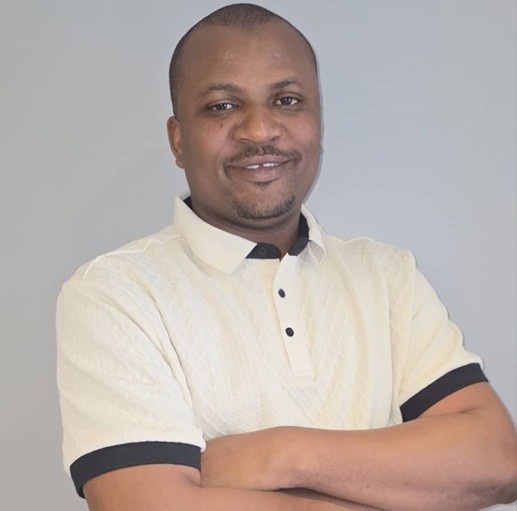
Hassan Adelaja (he/him) is a Master of Digital Innovation candidate at Dalhousie University with experience in data analytics, digital transformation, and web development. His professional interests include business and data analytics, process improvement, and using digital technologies to create meaningful social impact.
Tell us about your work-integrated learning project. What did you work on, and what were you hoping to accomplish?
I worked with Literacy Nova Scotia to develop the Literacy Indicators Dashboard and Support System (LIDSS), a digital platform that brings together literacy data, research, and support resources. My work included building interactive Tableau dashboards, developing a searchable research hub, and exploring how an AI assistant could help users find relevant information. The goal was to make literacy information easier to access, understand, and use. Through the VEEL framework—Visualize, Explore, Engage, and Locate—the project aims to support educators, researchers, community organizations, and policymakers in making informed decisions about literacy in Nova Scotia.
How did you apply what you’ve learned in your courses to the project? Were there particular skills, concepts, or perspectives that helped you approach the work?
I combined what I learned in my Master of Digital Innovation courses with my experience in web development and product design. My coursework in data analytics and visualization helped me clean and organize data, select appropriate charts, and build interactive dashboards that allow users to explore literacy indicators and compare findings across provinces. Project management and digital transformation concepts helped me organize the work and connect technical decisions to the project’s goals. My background in web development and product design encouraged me to think beyond visualization and consider the overall user experience—how people navigate the platform, find information, and understand what they see. Datasets, feedback and support from Maddie Hare and Dr. Philippe Mongeon helped me refine the filters, labels, and supporting information to make the platform clearer and easier to use. My coursework in law, policy, and ethics also shaped how I approached transparency and responsible AI use when exploring the assistant component.
What did you enjoy most about the experience? Was there a particular moment, challenge, collaboration, or accomplishment that stood out to you?
I most enjoyed turning complex data and research into something practical that people could explore for themselves. Seeing the dashboards, AI assistant, and research hub come together as one platform was particularly rewarding. Collaboration was another highlight. Feedback and support from Maddie Hare and Dr. Philippe Mongeon helped me refine the platform and keep the work connected to users’ needs. Dr. Coel Conrad also provided valuable guidance on visualization at the beginning of the project, helping shape my initial approach. One challenge that stood out was integrating the visualizations with web technologies so that the different
components worked together toward a shared goal: making literacy information easier to access, understand, and use. Working through this strengthened my problem-solving skills and showed me how thoughtful design and technical integration can create a cohesive user experience.
How has this experience influenced how you think about your future career? Did it introduce you to new interests, skills, roles, or career paths you would like to explore?
This experience strengthened my interest in a career that combines data analytics, digital product design, and web development. I particularly enjoyed taking a project from understanding users’ needs to building a platform that brings data, research, and AI together in a useful way.
It also deepened my interest in using visualization and AI to make complex information more accessible. Going forward, I would like to explore roles in business and data analytics, digital transformation, and digital product development, where I can combine my technical skills with problem-solving and collaboration. Working on LIDSS showed me how these skills can support community organizations and contribute to meaningful social impact.