
Fall 2024 Research Highlights
Lil Crump interview with Dr Shanon Phelan
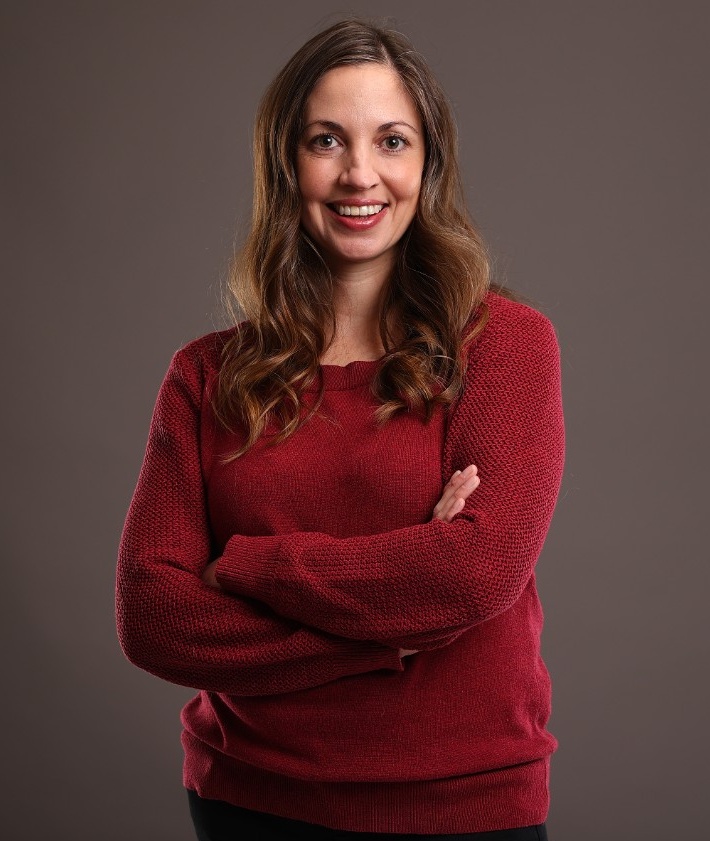
"Hanging with some amazing youth, laughing with them, playing with them, learning about what matters to them, and coming up with new ways that youth can express themselves through research. This is my favourite kind of research!" ~Dr. Phelan
Dr. Shanon Phelan’s research program focuses on understanding and improving opportunities for inclusion, belonging, and agency for children and young people who experience disability and their families. Her research program is informed by a deep engagement with critical disability scholarship, a trajectory of research in childhood disability and inclusion, clinical experiences of working with children and families, ongoing dialogue with policymakers and decision-makers, and ongoing dialogue with the disability community, children, and families. Through critical, transformative, participatory, and community-based research, she aims to illuminate inequities and injustices experienced by disability, neurodivergent, and neurominority communities. Phelan's program has three main objectives:
- To contribute to theoretical advancements in conceptualizing inclusion and belonging as it relates to disability by (re)imagining possibilities using critical social theories.
- To (re)imagine inclusion and belonging with children, young people, and families who experience disability to improve policies and practices and
- To develop methodological expertise and innovative methods to meaningfully engage children and young people in (inclusive) research that matters to them.
Before Phelan pursued her PhD, she practiced as an occupational therapist, working with kids and families in schools and the community. Through her practice, she became interested in the intersections of disability, child and youth culture, childhood occupations, inclusion and belonging, and how these came together to shape childhood experiences and identities. Since then, she has worked with kids, families, and community partners to conduct research to support inclusion and belonging in all aspects of cultural life.
Research that Impacting Everyday Lives
When asked, "How does her research impact the everyday lives of others?” Phelan responds, “This is a great question, as I have thought about this quite a lot, and I am not sure we can know all the unique ways our research impacts the everyday lives of others. What I do know is that contributing to discussions about access and inclusion can incite new ways of thinking about policy and practices. For example, in a recent study, we were asked by the Government of Canada to explore parents’ perspectives on access to disability-inclusive early learning and childcare in Nova Scotia. The findings from this work were directly shared with policymakers to inform policy development." See the full report: Equitable access to inclusive early learning and childcare for children with disabilities: The family experience.
Rewarding Research
Phelan finds her research rewarding because it allows her to work closely with children, families, and communities. This ensures that her research is grounded in what matters most to the folks she works with, which drives her to continue asking questions that she hopes will facilitate social change and have a direct impact.
Phelan recently hosted the first youth co-researcher meeting for a project exploring child-driven culture and inclusion experiences from the perspectives of youth who experience disability. She said she got to “hang out” with some amazing youth, laugh with them, play with them, learn about what matters to them, and come up with new ways that youth can express themselves through research. “This is my favourite kind of research!" says Phelan.
Moving forward
Phelan works with SHIFT, a group committed to the principles of equity and justice, and works with communities to promote the health, well-being, and belonging of individuals experiencing disability and their families. The SHIFT group has cultivated a vibrant group of researchers, graduate research students, and trainees who are emerging as leaders in disability scholarship and service to their communities, professions, and disciplines. By working with graduate students, Phelan has seen her work evolve in ways she had not predicted or imagined, which, she says, “is exciting and one of the best parts of my job. For example, I am working with a PhD Health student, Sarah Norris, whose SSHRC-funded research highlights the urgent need to reduce the disproportionate harm disability communities face in a changing climate, as exacerbated by existing health and societal inequities. This is a new area of inquiry for me that raises pertinent questions about access, inclusion, and belonging in our communities.”
Moving forward, Phelan is particularly interested in children’s and young people’s perspectives on disability and inclusion in a changing climate. “I suspect the perspectives of children and young people experiencing disability would offer generative and transformative possibilities…” she says.
Explore the SHIFT website to learn more about Dr. Phelan's research.